
Digital mapping tool
A platform to help builders, contractors, and sustainability enthusiasts discover, assess, and reuse building materials, reducing construction waste and promoting a circular economy.
Client
Digits
Role
UX Designer
Duration
12 months
Year
2024
Overview
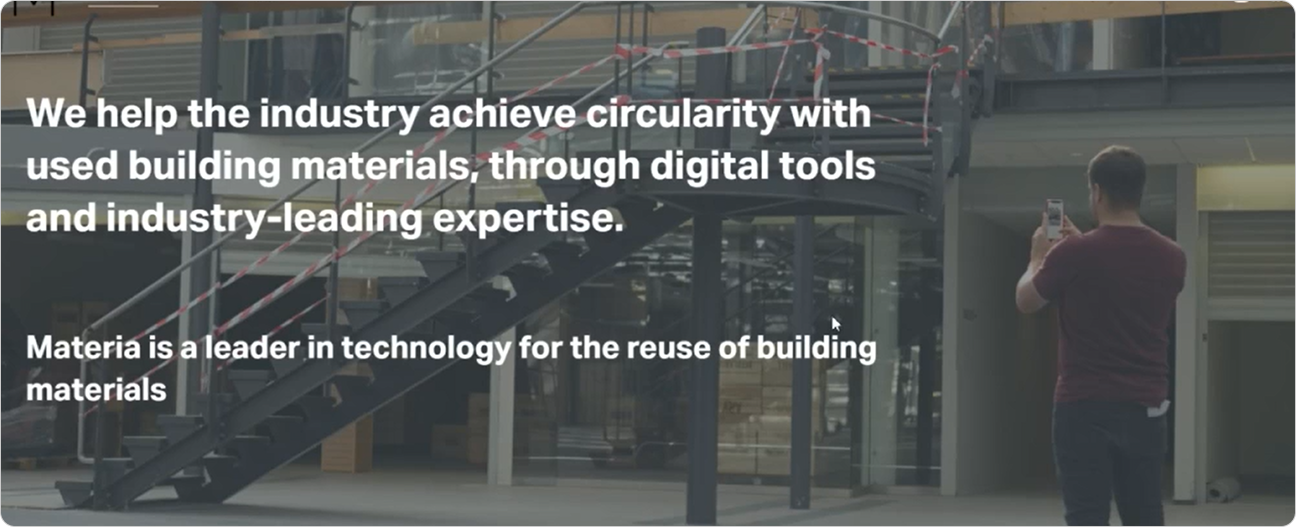
Created a platform to help builders, contractors, and sustainability enthusiasts discover, assess, and reuse building materials, reducing construction waste and promoting a circular economy. New features were introduced like interactive maps, material listings and community features for a seamless and eco-conscious sourcing experience.
Problem statement
Users needed to complete critical tasks quickly efficiently but dense information architecture, inconsistent patterns and performance friction made the experience harder than necessary. The key challenge was simplifying the experience to help diverse group of builders, contractors etc.,
Problem statement:
- 1. Reusable materials often go unutilized due to fragmented information and unreliable sources.
- 2. Builders waste time searching for materials, slowing projects and increasing costs.
- 3. Lack of centralized platform where all the data could be sorted, managed and purchased efficiently.
Goals and UX Strategy
- 1. Promote Sustainability: Encourage material reuse and reduce construction waste.
- 2. Streamline Sourcing: Centralized platform for easy discovery and purchasing of reclaimed materials.
- 3. Foster Community: Connect users to share knowledge and resources.
UX Strategy
- 1. User research to uncover pain points and needs.
- 2. Standardized data from suppliers and deconstruction companies.
- 3. Redesign mapping tool with intuitive search, filters, and navigation.
- 4. User education to highlight environmental and economic benefits.
Key Challenges
- 1. Data Standardization: Inconsistent material info across suppliers
- 2. User Trust: Need for clear material verification
- 3. Complex Navigation: Large inventories required simple, visual discovery
- 4. Community Adoption: Encouraging participation from businesses and individuals
Design Decisions
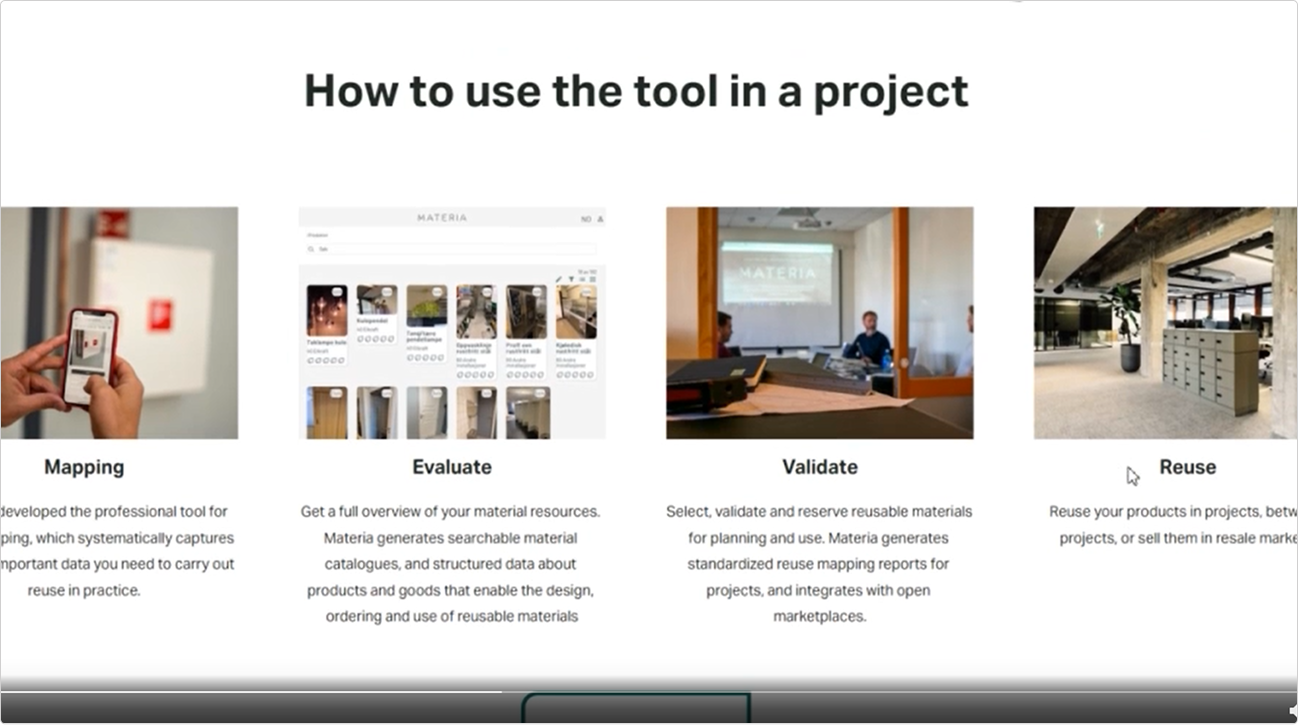
- 1. Interaction: Filter and locate materials by type, condition, and location
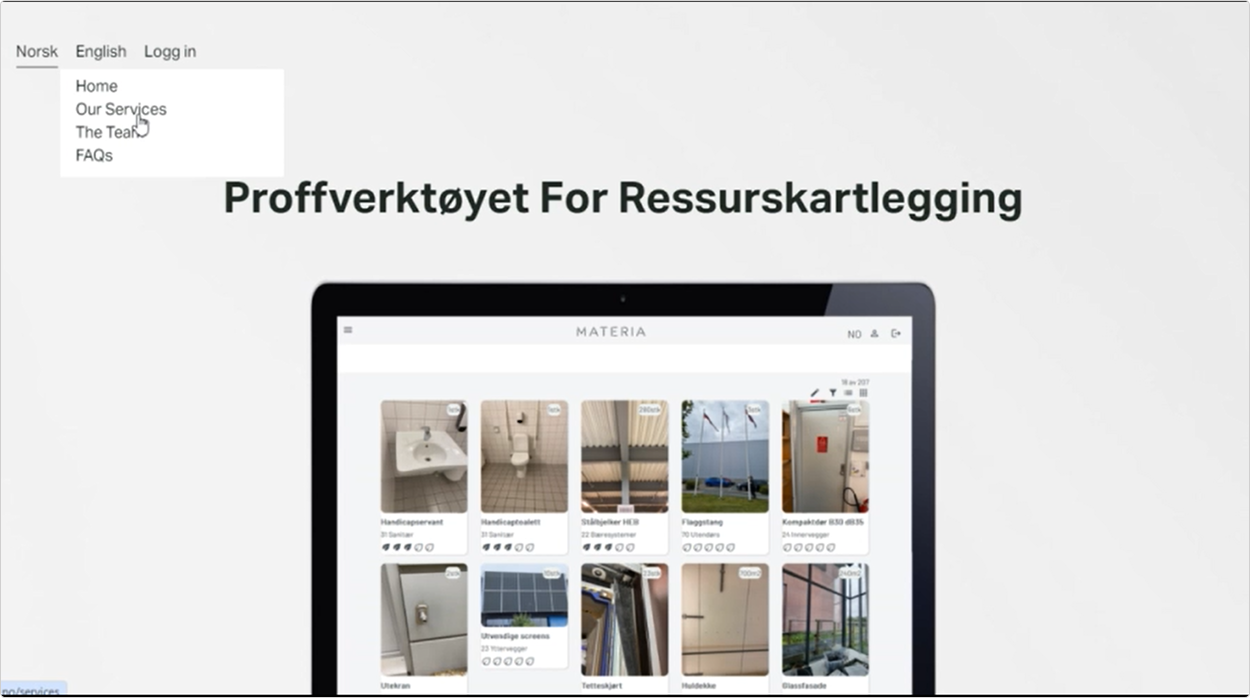
- 2. Material Cards: Photos, dimensions, condition, supplier info for quick assessment
- 3. Smart Search: Filter by material type, sustainability rating or proximity
- 4. Education & Tips: Guides on using materials responsibly
- 5. Community Features: Messaging and reviews to promote collaboration
Services
Navigation
Impact
- 1. Environmental: Increased material reuse, reduced waste, lower carbon footprint
- 2. Efficiency: Faster sourcing saves time and resources
- 3. Insights: Aggregated data informs sustainable construction trends
- 4. Community: Users feel connected and supported in adopting eco-friendly practices