
The Web - Utility services platform
This project focused on improving user interface making it intuitive and easy to use while preserving familiar workflows in a regulated, high-trust domain.
Client
Hansen Technologies
Role
UX Designer
Duration
9 Months
Year
2022
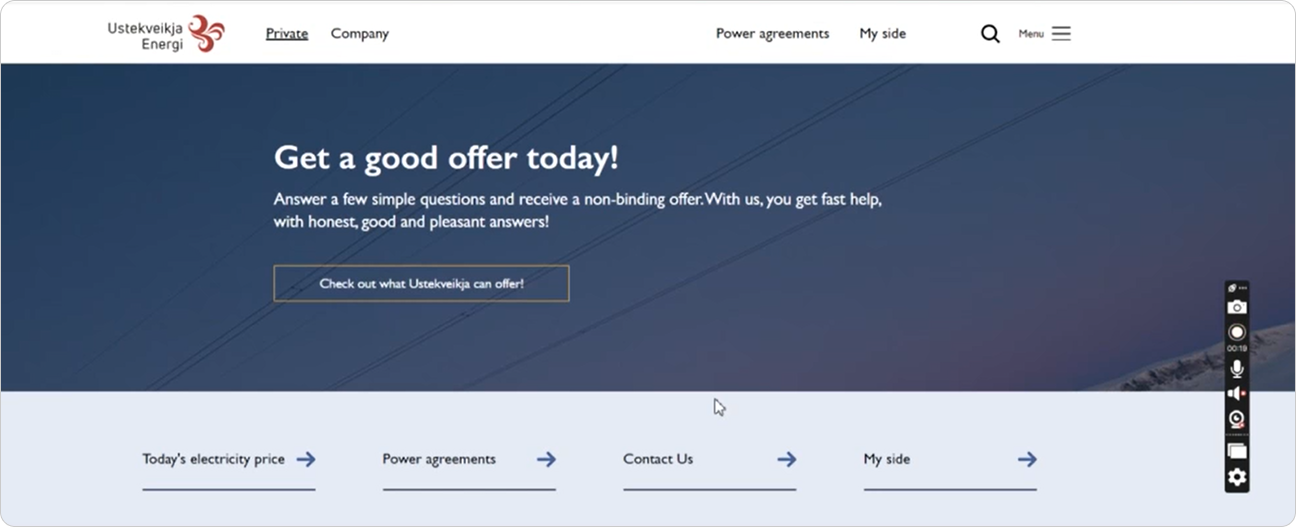
Overview
The Web is a customer-facing utility services platform used to manage essential tasks. The existing experience was functionally complete but difficult to navigate, visually outdated, and not fully accessible, leading to users dropping off and reduced engagement.
This project focused on improving navigation, making it intuitive while preserving familiar workflows in a regulated, high-trust domain.
Problem statement
Goals and UX strategy
- 1. Simplify high-frequency tasks without breaking core workflows.
- 2. Reduce cognitive load through clearer hierarchy and prioritisation.
- 3. Preserve user trust with predictable, transparent interactions.
- 4. Embed accessibility as a requirement.
- 5. Modernise the UI using Material design guidelines.
- 6. Improve perceived performance through progressive disclosure.
- 7. Create scalable design patterns aligned with product and business needs.
Key Challenges
- 1. Limited user data, requiring insights from stakeholders, support data, and competitive analysis.
- 2. GDPR and data-security constraints shaping flows and content visibility.
- 3. High domain complexity requiring clarity without oversimplification.
Design Decisions
- 1. Re-structured information architecture based on task frequency and user needs.
- 2. Simplified layouts and standardised interaction patterns to reduce friction.
- 3. Applied accessibility-first decisions across typography, contrast, and focus states
- 4. Introduced responsive, reusable UI patterns aligned with Material Design
- 5. Prioritised critical content and feedback to improve perceived performance
- 6. Collaborated closely with Product, Tech and business to balance ease of use, intuitiveness w/o compromising core flows.
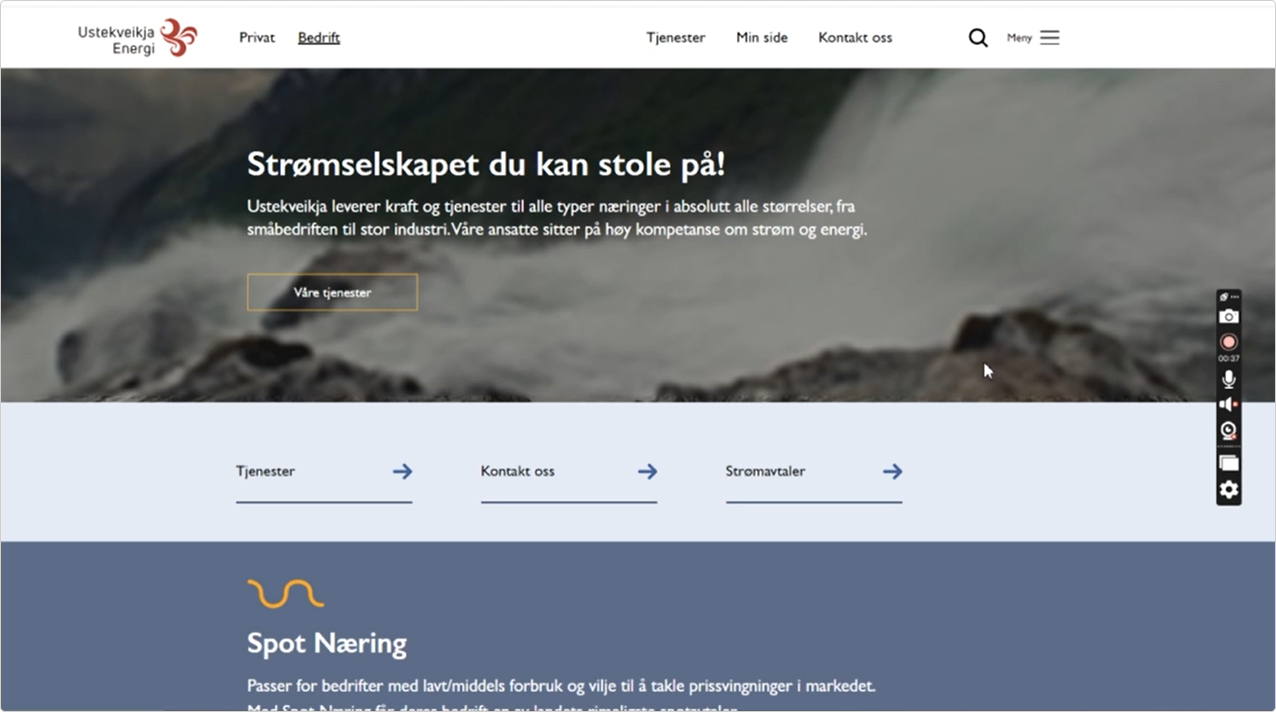
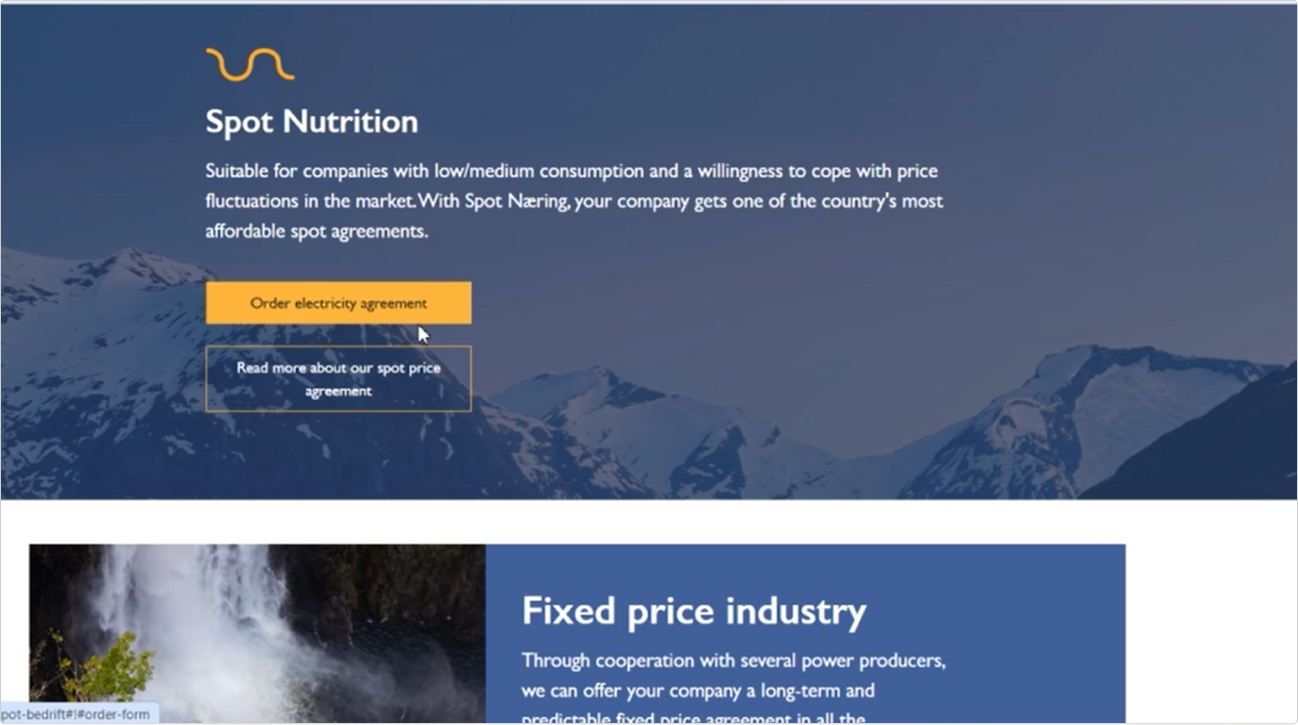
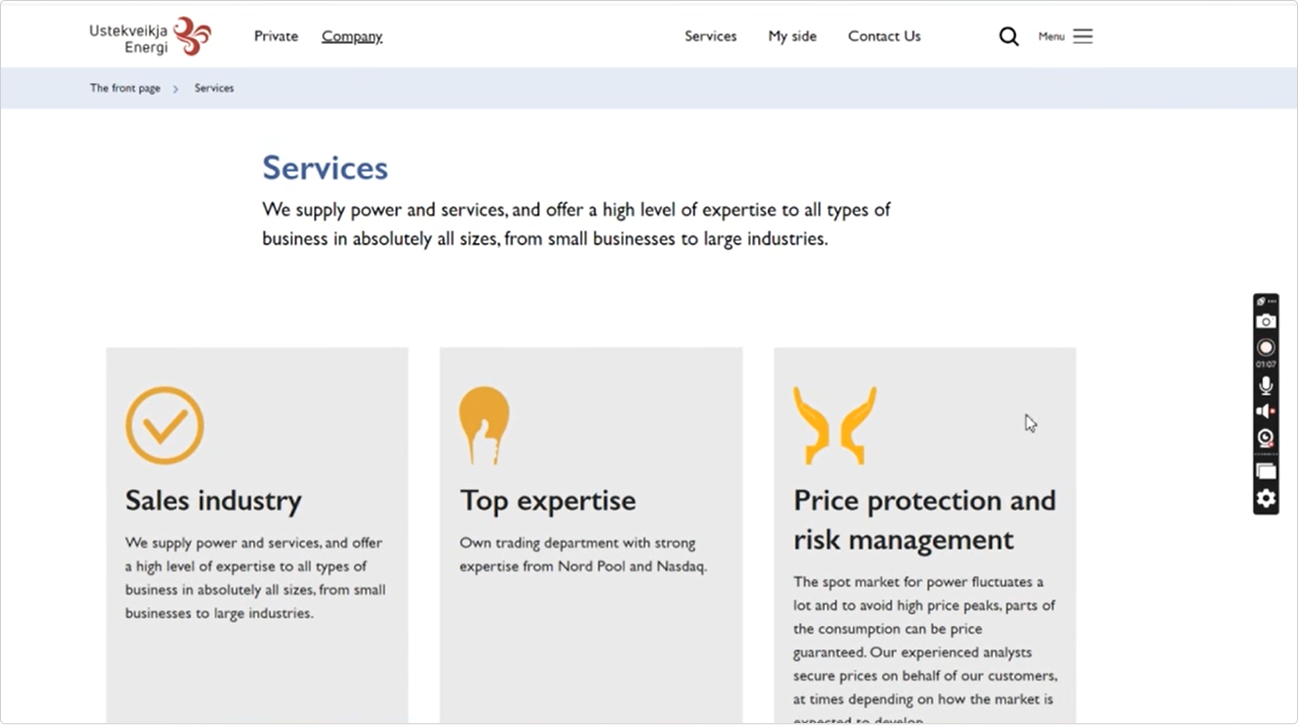
Impact
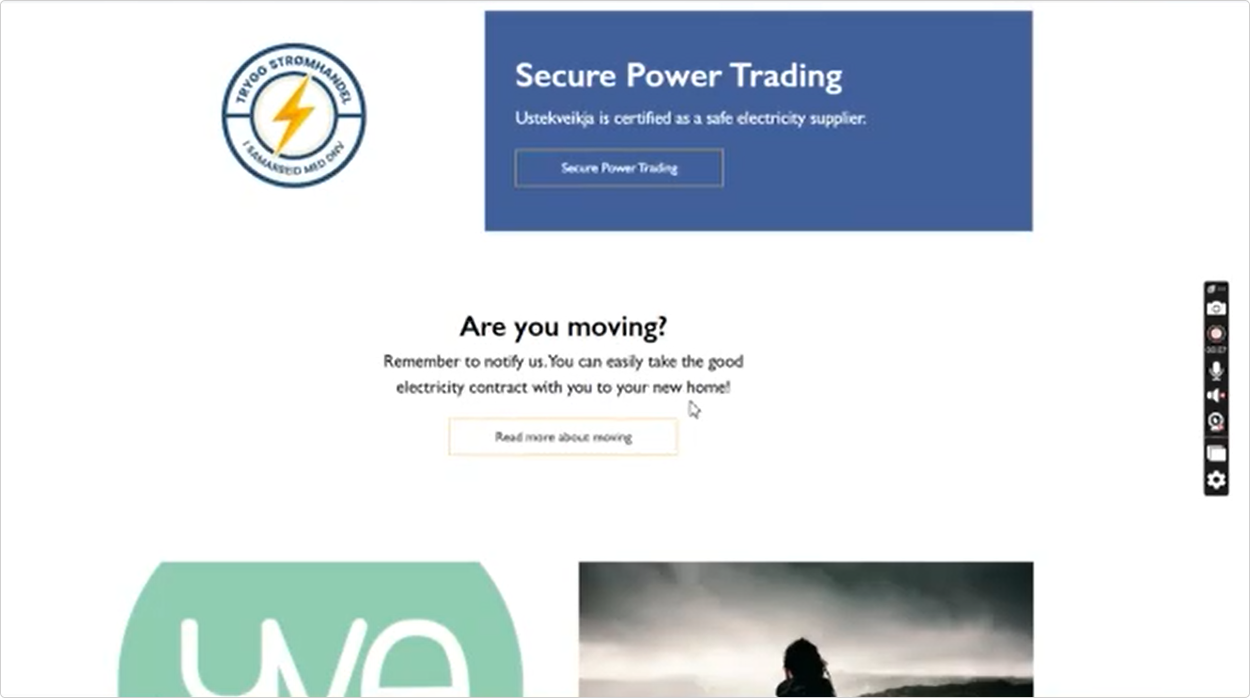
The redesigned experience improved navigation clarity, overall ease of use giving it a modern look and feel while preserving familiar workflows.
Users found the platform more appealing and usable, resulting in good engagement with a modern look and feel for future development.